Extreme events don’t happen by chance — and COP30 just confirmed it
They follow global climate patterns — and demand predictive intelligence.
On 22 September 2025, during Super Typhoon Nando (international name: Ragasa), a sudden tornado tore through six barangays in Santa Maria, Ilocos Sur, Philippines. According to the Provincial Social Welfare and Development Office, 20 houses were destroyed and another 60 were damaged — leaving dozens of families displaced.
pia.gov.ph
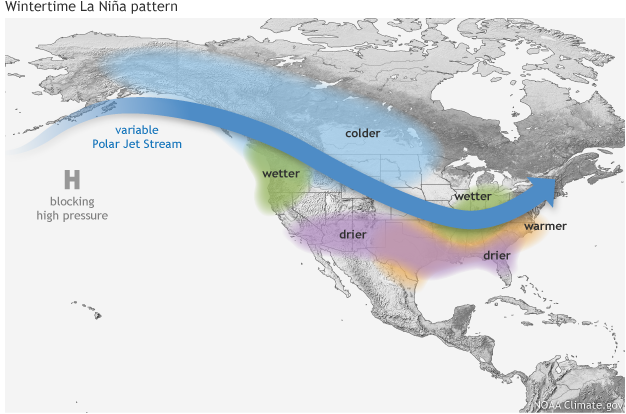
Scientific evidence shows that La Niña years alter global circulation patterns, intensifying the jet stream and creating atmospheric instability that favors tornadoes, hailstorms and extreme rainfall. This explains how a Pacific cyclone can trigger local tornado formation — and why the frequency, intensity and interconnectedness of extreme events are escalating worldwide.
Global lessons confirmed at COP30
The COP30 Final Report reinforced what this event demonstrates in practice:
- 1.4°C of global warming makes extreme events more frequent, more intense and more connected across continents (WMO State of Climate Update – COP30).
- ENSO phases (El Niño/La Niña) are now amplifying regional risks beyond their traditional patterns — affecting Asia, the Americas, Africa and Europe simultaneously.
- Countries need integrated monitoring, forecasting and early-warning systems that combine meteorology, climate science and data intelligence.
- Adaptation is no longer optional: COP30 established commitments to triple adaptation finance, accelerate resilience infrastructure and scale predictive technologies.
- The message is clear: climate risks do not respect borders — and neither should the systems designed to protect people and operations.
The world met in Brazil for COP30 to discuss resilience — and the urgency is evident
We must move from reactive response to proactive prevention.
Predictive climate intelligence is now a strategic asset for governments, insurers, industries and vulnerable communities.
How Sipremo aligns with COP30 demands Sipremo delivers the type of predictive capability that the COP30 agenda calls for:
- Global monitoring 24/7 integrating atmospheric, oceanic, and land-surface data.
- Specialized AI for extreme event forecasting, connecting patterns such as ENSO, Madden–Julian Oscillation, cyclones, and synoptic anomalies.
- Multi-regional risk modeling, used in operations across Latin America, Asia, and Africa.
- Short, medium, and long-term early warnings, essential for adaptation, insurance, logistics, mining, ports, and governments.
#COP30 #WMO #ENSO #Resilience #ClimateRisk #Adaptation #EarlyWarning #ClimateIntelligence #Sipremo